

Recording these expenses as assets creates a complete record of capital investment throughout the project. For teams looking for streamlined fixed asset management, this fixed asset workpaper provides all the necessary components. Throughout the construction process while you’re tracking all expenses, you’ll need to evaluate which expenses need to be capitalized. Strong CIP management is just about tracking costs – it’s about giving your business the visibility it needs to plan with confidence. In conclusion, Viindoo is a comprehensive accounting software solution that can assist construction companies with their CIP accounting needs. We hope you can apply the above information about CIP accounting to your accounting process.
Upload your project budget and follow the financial progress in real-time
CIP appears under the Property, Plant, and Equipment (PP&E) section, reflecting the value of ongoing construction projects. The CIP balance shows capital investment in active projects, offering stakeholders insight into ongoing commitments. Depreciation is calculated using several methods, including straight-line, accelerated, and units of production. Straight-line depreciation is the most commonly used method in construction in progress cip meaning accounting accounting. It involves dividing the asset’s cost by its useful life and allocating an equal amount of the cost to each accounting period over the asset’s life. CIP accounting ensures that expenses are recorded in the period they occur, providing a clear picture of financial health.

Is Construction in Progress (CIP) an Asset Account?
With our expertise, your construction company can focus on completing projects while we handle the numbers. Hire an experienced accountant or CFO to manage CIP accounts and navigate complex accounting requirements. Organizations use these CIP accounts when constructing a new facility, expanding an existing one, or building new machinery or equipment. So, CIP focuses on construction assets, whereas WIP deals with inventory in production.
- This clarity helps businesses avoid overstating their profits by allocating costs to the correct period.
- Generally accepted accounting principles (GAAP) requires the percentage of completion in journal entries whenever possible to account for construction in progress.
- Once the project is completed, transfer the total balance from the CIP account to the appropriate fixed asset account (e.g., “Building” or “Machinery”).
- Construction auditors must adhere to the Generally Accepted Accounting Principles (GAAP) and International Financial Reporting Standards (IFRS) guidelines.
Construction Vests: Types, Colors & Why They’re Crucial on the Jobsite
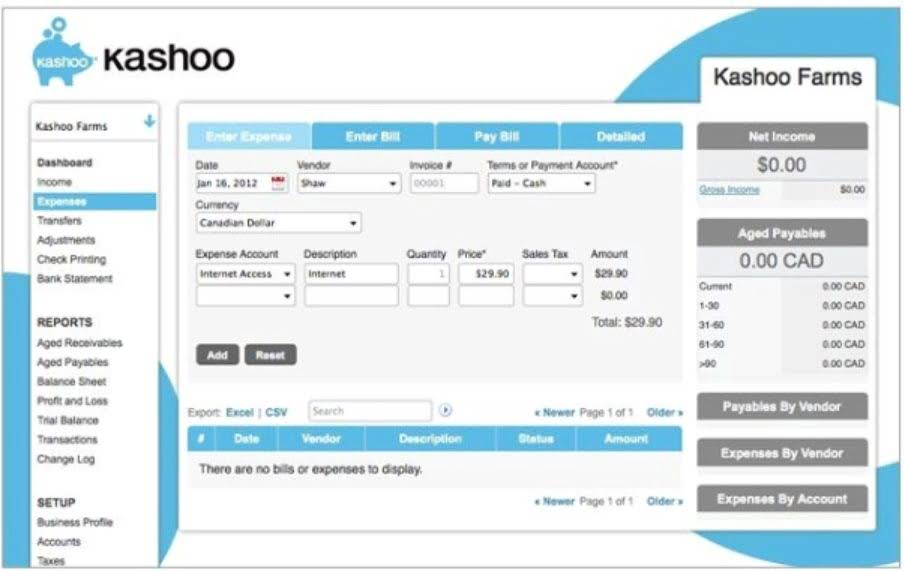
Additionally, overhead expenses tied to the construction project, like permits, architectural fees, and equipment fees, are capitalized into the CIP account. This ensures all expenditures directly contributing to the asset’s creation are tracked and separated from regular operating expenses. Accurate tracking of Construction-in-Progress (CIP) costs is fundamental to maintaining financial integrity and ensuring project success. One effective method for tracking these costs is through the use of specialized construction accounting software.
- If a company does not track these costs accurately, its finance department may wonder why the company is generating expenses that do not immediately produce profits.
- By adhering to GAAP’s principles, companies can ensure their financial statements reflect a true and fair view of their investments and operational readiness.
- Among them, learning how to record construction in progress accounting stands out.
- These changes must be carefully documented and approved to ensure that the additional revenue and costs are accurately reflected in the financial statements.
Impact on Financial Service Users
Tracking costs in CIP accounts helps monitor project expenses closely, identify potential budget issues, and make necessary adjustments early. This proactive approach supports better budgeting and financial planning for future projects. Adherence to accounting standards while maintaining transparent CIP practices builds stakeholder trust. Clear, consistent reporting of CIP activities enables better financial management based on reliable financial information. Extensive documentation for scope changes is necessary to withstand audit scrutiny, especially when they involve significant write-offs or substantial cost increases.
Step 3: Transfer Costs to Fixed Assets
The construction-in-progress asset account captures all costs related to the project, including labor, materials, and equipment. This data helps assess project budget adherence and ensures accurate financial reporting for audits. Once construction is complete, the asset shifts to the appropriate fixed asset account. This transfer signifies that the asset is now “placed in service,” meaning it is operational and contributing to the company’s activities. The depreciation process systematically allocates the asset’s cost over its estimated Bookkeeping vs. Accounting useful life.
Financial institutions collect specific identifying information from customers for CIP. This data typically includes the customer’s full legal name, physical address, and date of birth. For individuals, an identification number, such as a Social Security Number (SSN) or a taxpayer identification number (TIN), is also required. CIPs deter and detect activities such as money laundering, identity theft, and terrorist financing. By implementing these programs, financial institutions prevent individuals from using the financial system for illegal purposes.
Capital projects can be fairly small, running for just a few https://india.shooting-stars-foundation.org/2022/11/15/how-to-invoice-as-a-freelancer-step-by-step-guide/ weeks, or involve huge resources and run for years with multi-million pound budgets. No matter what size a capital project is, it is always important to manage the expenses involved in these projects and account for the fixed asset element in a timely and appropriate way. The capital expense involved in these projects is often referred to as Assets Under Construction (AUC), Work in Progress (WIP), or Construction in Progress (CIP). To effectively manage accounting construction in progress and ensure accurate financial reporting, companies should follow several best practices. These include establishing clear policies and procedures for CIP accounting, regularly reviewing and updating CIP accounts.
- This system not only facilitates more accurate reporting but also aids in identifying cost overruns and inefficiencies early in the project lifecycle.
- Industry focus allows us to be experts in the accounting needs of the companies that operate within these industries.
- These costs are recorded in a CIP account, which is categorized as a non-depreciable fixed asset on the balance sheet.
- Conducting monthly or quarterly reviews allows for the identification of discrepancies and ensures that all costs are being recorded accurately.
- Common examples include constructing a new facility, expanding existing infrastructure, or building custom machinery.
CIP Accounting Standards and Compliance
The CIP account, therefore, accumulates costs for a fixed asset until it is ready for use. The cost can be accumulated from vendor invoices (for items purchased), use of company’s inventory items in the fixed asset construction, transportation and other expenses to make the asset ready for use. You need to operate a construction-in-progress accounting system when you are constructing assets that will not be completed for an extended period of time. Another objective of recording construction in progress is scrutiny and audit of accounts.
Financial Implications of CIP Accounting
Businesses must follow specific rules regarding capitalization and expense recognition, which can vary based on jurisdiction. With multiple projects running at the same time, or even one large project running all by itself, unauthorized spending can quickly spiral out of control if not monitored closely. Whenever you or someone in your business buys something, mark the expense with a cost code so you know which project and which category it belongs to. Second, without an accurate picture of all costs, the system won’t work as intended, and you may run into compliance, budget, or funding problems down the road.