
Incomplete absorption of alcohol by the body could be one reason why you get stuffy nose on drinking alcohol. This happens because body is not able to tolerate the alcohol which circulates in blood. Additionally, the preservatives used in alcohol too can be harsh on your stomach, increasing the chances of allergic reactions causing stuffy nose or sinus congestion.
Nonallergic rhinitis
This may include taking any medication prescribed by your doctor, and getting regular checkups. Interestingly, several studies found that persons who have nasal symptoms from alcohol also have similar symptoms to other things, such as hot or spicy food and strong-smelling scents. Mayo Clinic also states that drinking milk makes phlegm thicker and more irritating to your throat than it normally would be when you have a sore throat. Unfortunately, the same applies to when your throat isn’t sore – you just don’t notice it as much when your throat isn’t sore and irritated. Having sluggish ALDH2 enzymes, or lower levels of it altogether, is ultimately the product of having genetic variation in your ALDH2 gene.
Strep Throat or Group A Streptococcus (GAS): Causes, Symptoms, Treatment, Remedies
- The body can respond to sudden temperature changes with transient congestion as those blood vessels tighten or expand.
- A February 2017 review in Evidence-Based Complementary and Alternative Medicine notes they have anti-inflammatory properties, which could help quell inflammation that contributes to excessive mucus.
- However, if you relax most nights with an alcoholic beverage and have alcohol intolerance, you might experience congestion and other related issues 24/7.
- In some individuals, histamines can cause nasal inflammation and congestion, leading to a stuffy nose.
- The pain might be unrelated to alcohol consumption, or it could indicate serious health issues caused by drinking.
And finally, some people have a genetic reason for developing these symptoms after consuming alcohol. That runny or stuffy nose you get if you’re intolerant to alcohol may feel and seem like allergies, but it’s not. As we now know, alcohol intolerance is an congested after drinking issue with metabolizing alcohol — not an overzealous immune system. For instance, beer and wine contain high levels of histamine, which can also contribute to a runny nose or nasal congestion. Or, maybe you’re sensitive to sulfites or other chemicals in alcoholic beverages, resulting in nausea or headaches. Those who have these variant enzymes typically experience pronounced facial flushing, a rapid heart rate, and nasal and sinus congestion shortly after drinking even a small amount of alcohol.

Monsanto’s Harmful Chemical Glyphosate Found In 100% Of California Wines Tested
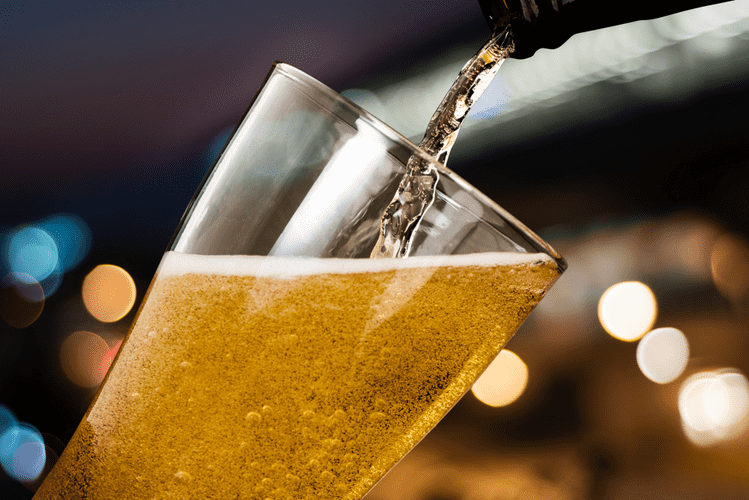
In particular, alcohol with high levels of tannins can be a big culprit in exacerbating Asian flush and making it harder to breathe when having some drinks. Nasal congestion is not necessarily related to the quality of the wine. However, some people may find that certain types or brands of wine are more likely to trigger this reaction.
- Caffeine can act as a diuretic, leading to dehydration if not balanced with sufficient fluid intake.
- Intolerance is a metabolic disorder resulting from the body’s inability to properly process alcohol, often due to enzyme deficiencies.
- Alcohol impacts the body in many ways including chemical reactions in the digestive system, immune system, and circulatory system.
- Just like those itty-bitty fingers and toes, their nostrils and airways are extra small.
- According to results from a 2012 survey by Wigand et al., titled “Prevalence of Wine Intolerance,” wine intolerance was reported by 7.2% of participants (68 out of 948).
What triggers nasal congestion?

The aging process does not significantly alter the sulfite levels or histamine content of wine. Therefore, the potential to cause nasal congestion remains relatively consistent regardless of the wine’s age. Healthy babies can often sound congested simply because they’re tiny new people with baby-sized systems, including miniature nasal passages.
Lifestyle changes to make to reduce alcohol-related chest pain
- Just like wine, beer has a lot of ingredients that can make someone react negatively.
- When sudden changes in weather happen, including changes in temperature and humidity, it can cause the nasal membranes to swell.
- A deficiency in aldehyde dehydrogenase 2 (ALDH2) prevents proper breakdown of the toxin, leading to high alcohol sensitivity.
Doing any type of safe, healthy exercise is only going to help you, your body and your lungs. Watching the number of carbohydrates you eat may also help you Halfway house save energy, which plays a large role in how the lungs and respiratory passages respond to toxins that enter the body. It’s important to have some food in your stomach to help soak up the alcohol you drink. Having smaller meals throughout the day can help prevent the alcohol from entering the small intestines too quickly and thus can slow down the rate of alcohol absorption. For example, cocktails or mixers made with vodka or gin make great low tannin choices.
It could be something entirely unrelated to your alcohol intake, like a chronic obstructive pulmonary disease. Perhaps you’re having an asthma attack – which could be entirely unrelated to your alcohol consumption too. Chest pain and difficulty breathing after drinking alcohol can be alarming. If you’ve ever had a glass of wine or beer only to feel tightness in your chest or shortness of breath, you know how unsettling these sensations can be.
If you’re living with bronchiectasis or other chronic lung conditions, talk to your clinician about limiting your alcohol usage or avoiding it altogether. Early kidney disease doesn’t always cause symptoms though, “which is why you should drink alcohol sensibly and follow alcohol consumption guidelines,” he adds. However, if sinus symptoms still develop or worsen in the days after drinking alcohol, then can take Lanto Sinus for sinus relief. While some foods are broken down in the intestines, others are digested in the stomach.
Why do I get phlegm after drinking alcohol?
Additionally, consuming coffee late in the day or in the evening may disrupt sleep patterns, which can further worsen congestion. To minimize potential negative effects, it is essential to be mindful of coffee consumption habits and adjust them according to individual needs and sensitivities. Persons who suffer from frequent sinus infections or chronic sinusitis may feel that drinking alcohol worsens their sinus problems. For example, a recent study found that persons with allergic rhinitis may feel more clogged and congested after drinking alcohol than people without allergic https://manager.stars-system.gr/?p=2873 rhinitis.